

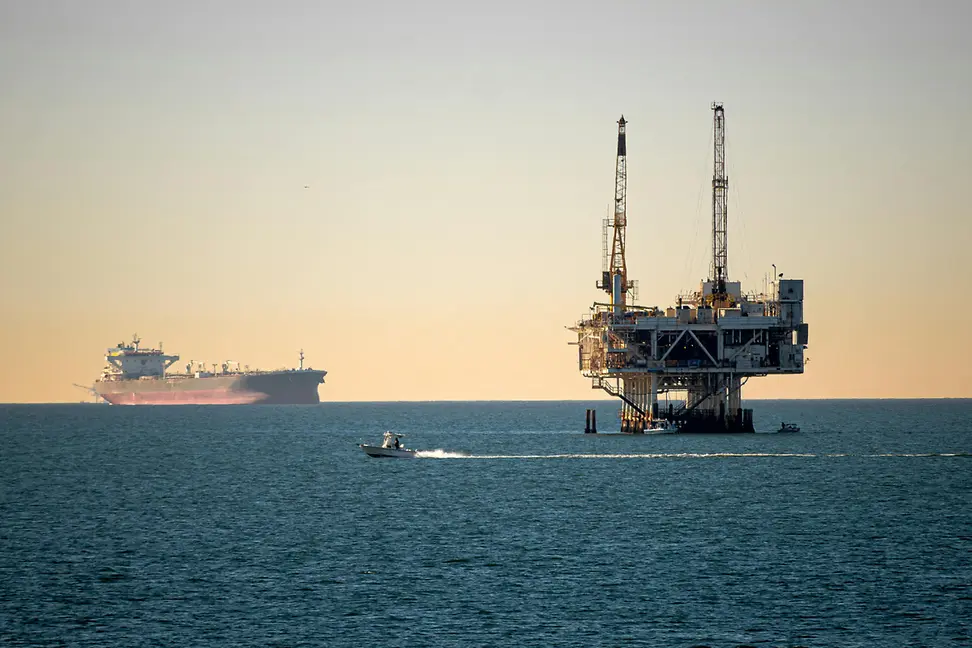
Investors must feel like they’ve endured an unusually testing past six weeks. The US-Iran conflict has continued to escalate, while a physical oil supply shock has worsened across the world and financial markets have endured increased levels of volatility. Throughout this period, we have remained steadfastly focused on our constraints-based framework and tracking the key signposts. These told us over the course of March that (1) US President Trump had hit the limit of his constraints (being elevated domestic energy prices, among others) and would be open to a deal, and (2) that Iran faced constraints of its own, namely that it cannot keep the Strait of Hormuz closed indefinitely in the face of growing global consternation.
The conflict appeared to peak in uncertainty over the Easter weekend with Trump setting a deadline of 10am AEST on 8 April 2026 for Iran to reach a deal or suffer “civilisational” attacks. Thankfully for all parties, it appears as though the US and Iran have reached a deal to implement a two-week ceasefire, including a reopening of the Strait of Hormuz.
We acknowledge that the level of uncertainty remains extremely elevated in the near-term, and that the longer-term implications of this conflict are just as unclear, but our frameworks now tell us that just like in 2025, we may have reached a peak in uncertainty that will allow markets to check an enduring bottom. This justifies our decision to remain constructively positioned through the month and begin leaning into international equities last month, though we retain a flexible and nimble stance and stand ready to make further changes to our tactical positioning as we get more clarity on the situation.
While we are still awaiting the full details and terms of the recently announced ceasefire, we understand that:
Rather than attempting to parse the ‘tea leaves’ of official pronouncements, we instead choose to interpret this announcement through two main viewpoints:
This ceasefire deal confirms for us that both sides recognise and respect the constraints that face them. On the US end, we have held a view for most of March that Trump will ultimately have to respect the constraints of the bond market (via higher US Treasury yields), oil prices, and a lack of boots on the ground to properly prosecute his objectives. As we wrote on 11 March when we began leaning into equities, these constraints were compelling him towards de-escalation. On the Iranian front, we believed strongly that Iran could not keep the Strait of Hormuz closed indefinitely. At some point, the economic damage from such a disruption would be so great that a United Nations (UN) coalition, potentially including Chinese vessels, would be assembled to force the Strait open. Indeed, we saw these dynamics play out over the course of March, with the UK and France assembling a coalition of 40 nations to discuss a UN operation to reopen the Strait. As such, Iran was playing with borrowed time and was incentivised to conclude a deal before this UN constraint closed in on it.
Another important takeaway for investors: these developments vindicate the value of developing a disciplined and objective framework for analysing and assessing political and geopolitical developments, rather than reacting emotionally to newspaper headlines or social media rumours. We spent the past two years adapting and developing our constraints-based framework, which we wrote about extensively in our February 2025 Observation ‘The New Great Game’. It remains at the core of our tactical asset allocation process as the world transitions to a multi-polar reality, and we believe it will continue to serve us well in years to come.
We recognise multiple key uncertainties and key risks to our views
We remain cognisant that this geopolitical shock is fluid and despite our central case, could still evolve negatively from here. We recognise that there are many key uncertainties and risks to our views, including but not limited to:
Clearly, negotiations could break down over the next two weeks, and the conflict could flare up again. This could involve a red line that either Iran or the US refuse to tolerate (e.g. nuclear enrichment for Iran or a toll charge on the Strait of Hormuz for the US). It could also involve left-field shocks, such as a rogue Iranian unit or proxy re-starting hostilities.
Thinking beyond the next few weeks, there remain significant question marks and uncertainties over the outlook for the remainder of 2026 and beyond:
How quickly can oil flows resume through the Strait of Hormuz over the next two weeks, and can the US and Iran strike a deal to keep the vital waterway open?
We are just starting to see the impacts of the oil price spike and supply shock flow through to broader global economic, corporate, and employment activity. There is still some chance that this shock might tip a moderating US economy into recession, the odds of which will rise if the ceasefire doesn’t hold.
Where do oil prices eventually settle over the course of the year? An extended period of elevated oil prices (say above USD 90 per barrel) could still be sufficient to cause a stagflationary ripple through the global economy, stifling growth and putting pressure on central banks to tighten monetary policy.
After (if) the dust settles, regional powers, including Saudi Arabia, the UAE, Qatar, Bahrain, and Kuwait, may have to work out a new operating paradigm in the region with or without Iran.
How do investors assess the longer-term geo-economic ramifications of the conflict, particularly with regards to 2025’s ‘Sell America’ trend and Europe’s nascent industrial, military, and political revival?
We also recognise various prevailing investor concerns around private credit and the artificial intelligence-software rotation.
We maintain our flexible and nimble stance as we assess these factors and stand ready to take further actions to protect portfolios and seize opportunities as our assessments change.
Abstracting from the near-term outlook, we think investors should also not lose track of the fundamental importance of discipline and diversification in their long-term investment strategies. As we discussed in our April 2025 Special Report ‘Staying the Course’, we have spent recent years emphasising the significance of building robust portfolios that are diversified across asset classes and risk factors, and not overly exposed to any particular style or theme.
This disciplined, multi-asset approach is core to our investment philosophy and process, and will play a crucial role in helping investors navigate short-term shocks such as these.
Investors must feel like they’ve endured an unusually testing past six weeks, with the US-Iran conflict continuing to escalate while a physical oil supply shock worsened across the world and financial markets endured elevated levels of volatility. Throughout this period, we have remained steadfastly focused on our constraints-based framework and tracking the key signposts. These told us over the course of March that (1) US President Trump had hit the limit of his constraints and would be open to a deal, and (2) that Iran faced constraints of its own, namely that it cannot keep the Strait of Hormuz closed indefinitely in the face of growing global consternation.
The conflict appeared to peak in uncertainty over the Easter weekend with Trump setting a deadline of 10am AEST on 8 April 2026 for Iran to reach a deal or suffer “civilisational” attacks. Thankfully for all parties, it appears as though the US and Iran have reached a deal to implement a two-week ceasefire, including a re-opening of the Strait of Hormuz.
We acknowledge that the level of uncertainty remains extremely elevated in the near-term, and that the longer-term implications of this conflict are just as unclear, but our frameworks now tell us that just like in 2025, we may have reached a peak in uncertainty that will allow markets to mark an enduring bottom. This justifies our decision to remain constructively positioned through the month and begin leaning into international equities last month, though we retain a flexible and nimble stance and stand ready to make further changes to our tactical positioning as we get more clarity on the situation.
Receive ongoing access to LGT Wealth Management’s insights and observations - a curated stream of thought leadership, market perspectives, and strategic updates designed to inform sophisticated investors.