

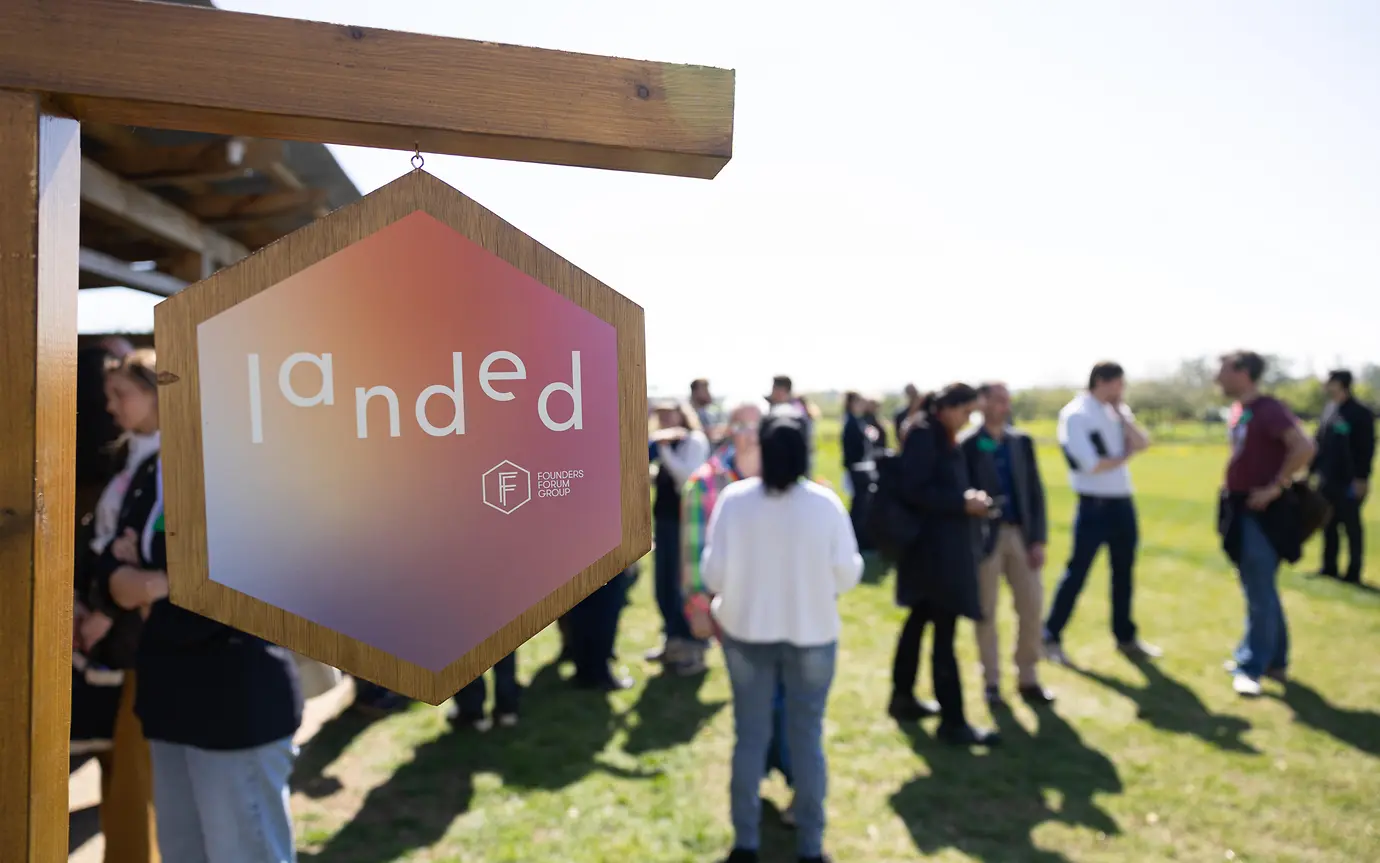
In April, LGT Wealth Management was pleased to sponsor Landed, a one-day regenerative agriculture and nature restoration event, held at Daylesford Farm in the Cotswolds. Bringing together voices from business, farming, technology, industry investment and science, the event created space for a timely conversation about the systems that underpin our economy and how they might be restored, strengthened and reimagined.
Supporting conversations like Landed reflects our broader belief that long-term investment outcomes are increasingly shaped by the resilience of the systems on which economies, industries` and societies depend. From food production and water security to biodiversity and human health, these interconnected themes are relevant not only environmentally and socially, but financially.
Attendees were comprised of:
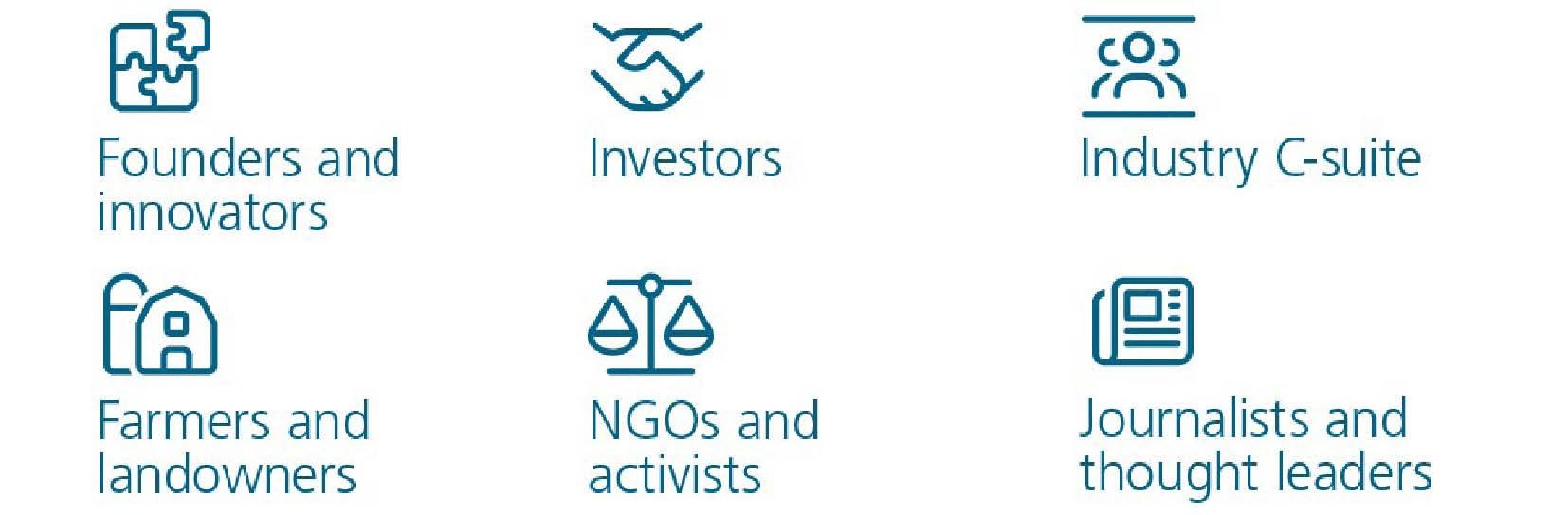
The key event themes included, amongst a variety:
As Chief Sustainability Officer at LGT Wealth Management, I was delighted to attend the forum and take part in the panel discussions. LGT is proud be a partner, and I look forward to continuing to build on conversations and action.
One of the defining features of Landed was the diversity of perspectives in the room. Farmers and landowners joined founders, investors, academics, policymakers, entrepreneurs and NGOs in discussions that moved beyond individual sectors to explore the links between soil, food, water, land use, biodiversity and human health. During the day’s discussions, speakers covered themes ranging from innovation in farming and food systems to flood prevention, water stewardship, rewilding, philanthropy, nutrition and the role of nature in financial systems.
That breadth of conversation reinforced a central message running through the day: regeneration is not a single issue to be solved in isolation, but a connected systems challenge that requires collaboration across the value chain.
A recurring theme throughout the event was the foundational role of soil, not only in agriculture, but in the health and resilience of wider natural and economic systems. During the day, discussions highlighted how regenerative approaches can support more resilient food systems, healthier ecosystems and stronger communities, while also prompting deeper thinking about the long-term stewardship of natural resources. Several contributions also focused on measurement, verification and traceability. As expectations around nature-related reporting continue to grow, there was a strong sense that the ability to assess factors such as soil health, biodiversity, water and nutrient density will become increasingly important for businesses, investors and policymakers alike.
The event showcased innovation emerging to meet that need, from tools for soil analysis and biodiversity monitoring to technologies that support greater transparency across supply chains. These developments reflect a broader shift towards understanding nature not simply as a backdrop to economic activity, but as foundational infrastructure that underpins long-term growth and resilience.
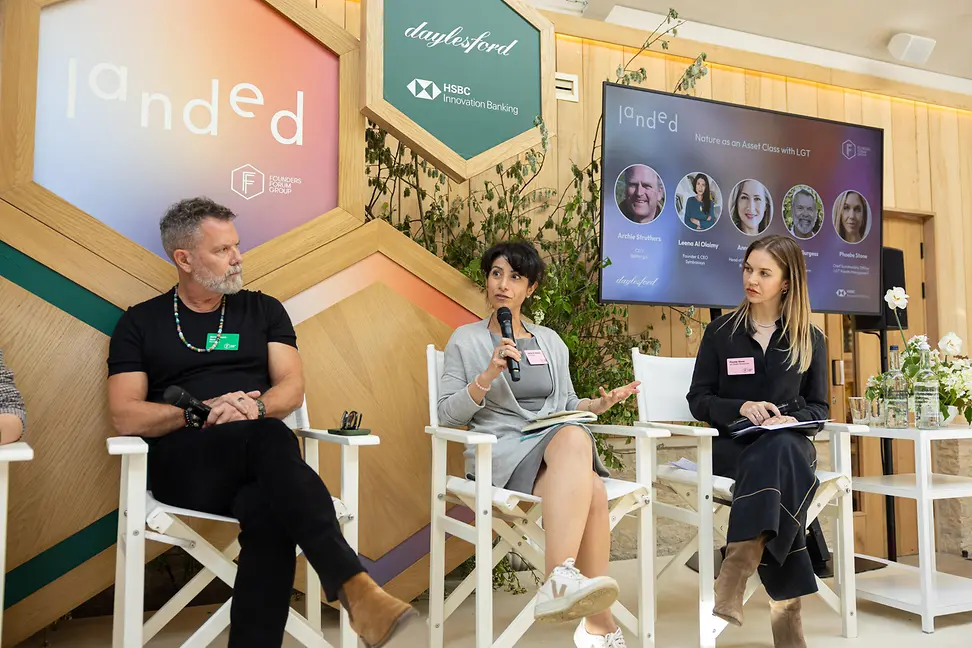
A particularly interesting strand of the conversation centred on the relationship between nature, restoration and capital. During the session on nature as an asset class, we explored what it means to invest in the systems that underpin the economy. The discussion brought together perspectives from across the ecosystem and examined how long-term themes such as land use, water and the energy transition are beginning to converge. More broadly, the event reflected growing interest in how different forms of capital, including philanthropic, private and patient capital, can support regenerative outcomes and enable long-term restoration.
For us, these conversations align closely with our broader approach to stewardship and long-term investing. As long-term allocators of capital, understanding systemic risks and opportunities and engaging with the businesses and industries shaping them is an important part of our perspective.
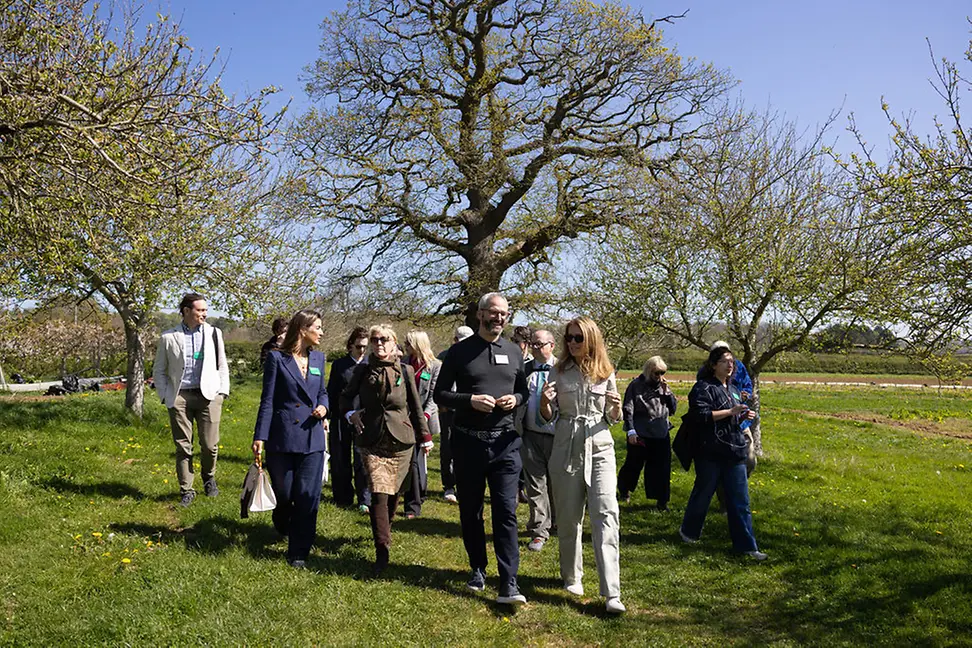
What Landed captured particularly well was a growing sense of momentum. Across sectors, there is increasing recognition that many of today’s environmental, social and economic challenges are deeply interconnected, and that addressing them requires new forms of partnership, innovation and long-term thinking. For investors, these conversations matter because they reinforce the importance of understanding the natural systems that shape economies, industries and communities. From soil and water to biodiversity and food production, these are not peripheral concerns, but part of the broader foundations of long-term resilience and stability.
While the scale of the challenge is significant, the mood of the day was not only one of realism, but also of possibility. There was a clear sense that, through collaboration, experimentation and shared ambition, more regenerative systems can be built over time. Events like Landed highlight how closely connected these systems are and why understanding them is becoming an increasingly important part of long-term investment thinking.
This communication is provided for information purposes only. The information presented herein provides a general update on market conditions and is not intended and should not be construed as an offer, invitation, solicitation or recommendation to buy or sell any specific investment or participate in any investment (or other) strategy. The subject of the communication is not a regulated investment. Past performance is not an indication of future performance and the value of investments and the income derived from them may fluctuate and you may not receive back the amount you originally invest. Although this document has been prepared on the basis of information we believe to be reliable, LGT Wealth Management UK LLP gives no representation or warranty in relation to the accuracy or completeness of the information presented herein. The information presented herein does not provide sufficient information on which to make an informed investment decision. No liability is accepted whatsoever by LGT Wealth Management UK LLP, employees and associated companies for any direct or consequential loss arising from this document.
LGT Wealth Management UK LLP is authorised and regulated by the Financial Conduct Authority in the United Kingdom.