
London Climate Action Week was founded in 2019 and is the largest independent climate gathering in Europe. Several colleagues across LGT Wealth Management UK will participate in this year’s event, each bringing their own distinct perspective on nature-related themes through both their professional roles and wider interests. In this article, we highlight some of the initiatives they are involved with, and signpost future developments they are curious about.
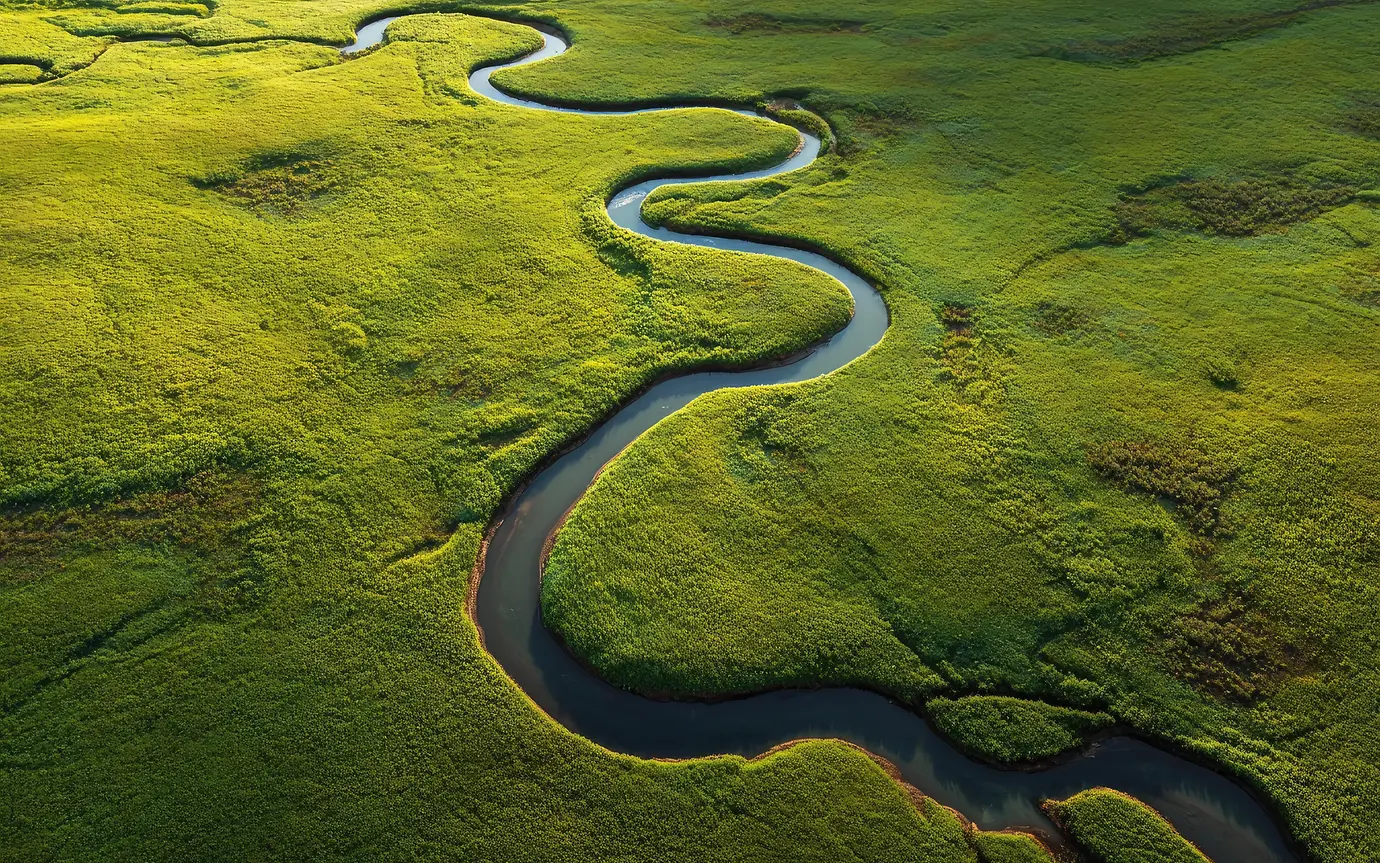
Water and rivers feature prominently in my professional work and in the organisations I volunteer with. During my secondment with LGT Venture Philanthropy Foundation in 2025, I became familiar with Nature for Water, an initiative the foundation supports alongside other donors, formed by The Nature Conservancy and Pegasys. Nature for Water provides technical support, learning and modelling to local partners to help implement nature-based solutions that address water quality, scarcity and flood risk.
Another partner of LGT Venture Philanthropy Foundation is National Geographic Pristine Seas, which supports the establishment of marine protected areas. National Geographic Pristine Seas also coproduced Ocean with David Attenborough, the impactful documentary highlighting both the pressures facing our oceans and the solutions that can help protect marine ecosystems and the communities that depend on them., Outside of work, water remains a theme in some of my voluntary roles. I co-founded the Scotland Advisory Group of the Environmental Funders Network, which convenes philanthropists and funders, many of whom are active in marine and freshwater issues.
One area I am particularly curious to explore further is the emerging concept known as ‘nature on board’. This theory and practice is being adopted by several organisations as a way of integrating nature more directly into organisational governance. If inclusion involves bringing overlooked perspectives into decision-making, this could be an important opportunity to rethink whose interests are represented in the boardroom.
In my day job, I work with charities, families and institutions seeking to align their capital with their values and long-term objectives. Increasingly, that means understanding to what extent nature underpins economic resilience.
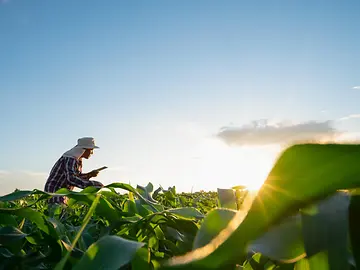
For me, the conversation starts with soil. Healthy soils support food production, store carbon, regulate water and sustain biodiversity, yet their value is rarely reflected clearly on a balance sheet. In many ways, soil is the foundational form of capital: quietly supporting the systems on which we all depend.
Outside of work, I am a trustee of a conservation charity and an advisor to the Cambridge Centre for Systemic Change. Both roles have reinforced a simple lesson: nature rarely responds to isolated interventions. Rivers, farms, woodlands and communities are interconnected, and lasting progress often depends on collaboration across entire landscapes.
This is one reason regenerative agriculture has attracted growing interest. While practices such as cover cropping, reduced tillage and diverse rotations are important, the broader opportunity lies in bringing together farmers, businesses, investors, charities and local communities to build more resilient systems. The challenge is not simply changing individual behaviour but creating conditions that allow better outcomes to emerge.
One area I am particularly interested in is how we accelerate this "middle-out" change. Much attention is paid to either government policy or individual action, yet some of the most promising developments are happening between these levels through partnerships, local leadership and practical collaboration. Understanding how these approaches can be scaled without losing their local character feels like one of the most important questions in nature recovery today.
For many companies, nature has historically been treated as a nice-to-have. However, supply chains are increasingly under pressure or disrupted by geopolitical instability, rising fertiliser costs and extreme weather events. The reliable sourcing routes of previous decades are no longer guaranteed. As companies begin to experience the consequences of nature loss, some are starting to respond.
Unilever, for example, has committed to scaling regenerative agriculture across one million hectares by 2030 and expects to exceed 400,000 hectares by the end of 2026.1 For a company sourcing palm oil, soy, tea and cereals across some of the world's most ecologically sensitive landscapes, this is not simply a sustainability aspiration. It is a commercial response to soil degradation, water stress and climate volatility. The investment case is framed explicitly around supply resilience: stabilising yields, reducing dependence on costly fertilisers and strengthening long-term sourcing relationships that help reduce business risk.
Within the Investment Stewardship team, nature is considered a material risk across several workstreams. We engage directly with companies that have significant nature-related exposures, including companies like Unilever or Nestlé. Nature-related issues are also appearing more frequently on AGM ballots. At Home Depot's 2026 AGM, we voted in favour of a shareholder proposal requesting a full biodiversity impact assessment. As a major retailer of timber and garden products with sourcing exposure across high-risk regions including Indonesia and Canada, we believe the case for a comprehensive assessment of nature-related dependencies is clear.
Outside of work, I am lucky enough to volunteer with the Wildfowl and Wetlands Trust at their London Wetland Centre in Barnes, a remarkable habitat in the heart of the city, and a charity LGT is proud to partner with. I am also increasingly interested in questions around food systems: the gradual disconnection of people, farming and food production is something I find concerning, and I am drawn to regenerative agriculture as a way of rebuilding those links.
One area I am curious to explore during this year’s Climate Week is blended finance for nature and how public and private capital can be structured together to make large-scale nature recovery genuinely investable, and what role institutional investors such as LGT might play in accelerating that transition.
[1] Unilever's 2025 Sustainability Statement
This communication is provided for information purposes only. The information presented herein provides a general update on market conditions and is not intended and should not be construed as an offer, invitation, solicitation or recommendation to buy or sell any specific investment or participate in any investment (or other) strategy. The subject of the communication is not a regulated investment. Past performance is not an indication of future performance and the value of investments and the income derived from them may fluctuate and you may not receive back the amount you originally invest. Although this document has been prepared on the basis of information we believe to be reliable, LGT Wealth Management UK LLP gives no representation or warranty in relation to the accuracy or completeness of the information presented herein. The information presented herein does not provide sufficient information on which to make an informed investment decision. No liability is accepted whatsoever by LGT Wealth Management UK LLP, employees and associated companies for any direct or consequential loss arising from this document.
LGT Wealth Management UK LLP is authorised and regulated by the Financial Conduct Authority in the United Kingdom.